💼 The Crypto Market Isn't Unified – What Risks and Opportunities Lie Ahead?
💼 The Crypto Market Isn't Unified – What Risks and Opportunities Lie Ahead?
Recently, Binance announced that it would comply with new sanctions targeting Russian crypto services. Any transfer involving these services may trigger a compliance review and restrictions on associated wallets.
This illustrates the defining trend of recent years: blockchain remains global, while liquidity is becoming jurisdictional.
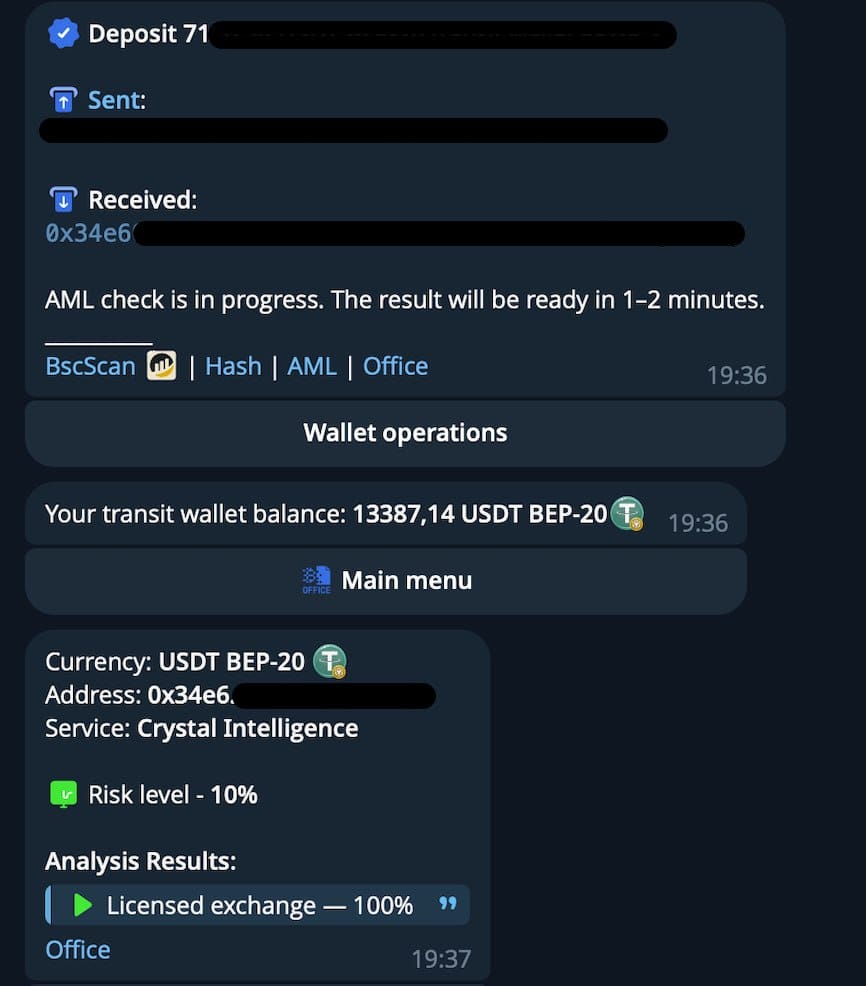
Technically, one USDT is equal to another. Economically, this is no longer the case. Its acceptability increasingly depends on the coins’ transaction history, the sender’s address, the route, the custodian, and the jurisdiction of the entry or exit point. A coin’s on-chain history is becoming its “passport.”
States cannot eliminate demand for the free movement of capital. They can, however, fragment markets, increase transaction costs, and create privileged gateways. On top of their monopoly over fiat issuance, a second layer of control is emerging: licensing, the Travel Rule, sanctions lists, and private AML filters applied to cryptocurrencies.
Subjective scenarios for the coming years:
Regulated Archipelago
Funds move relatively freely within whitelisted liquidity pools, while moving between them becomes a separate service. Most of the margin accrues to AML screening, transaction routing, and access to partner liquidity.
Hard Fragmentation
Incompatible blocs of stablecoins and exchanges emerge, while address links to an outside ecosystem trigger compliance reviews. Demand for routing grows, but so do fees, rejected transactions, and dependence on intermediaries.
Decentralized Development
Part of the market shifts toward self-custody, DEXs, atomic swaps, and privacy technologies. Businesses, however, still need access to the assets and networks accepted by their counterparties.
In all three scenarios, fees shift from gas to compliance. The scarce resource is no longer the coin itself, but acceptable liquidity and the ability to move it from one cluster to another.
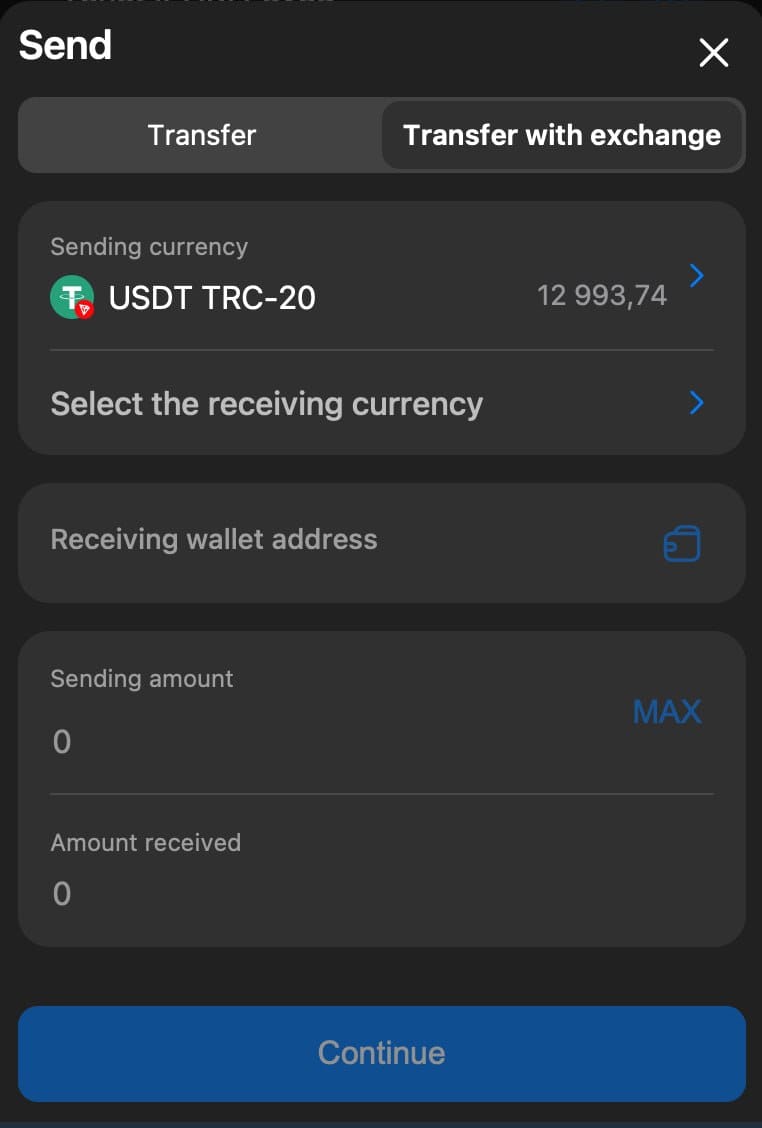
This shift makes the value of Crypto Office “Transfer with Exchange” feature particularly clear:
1. The sender selects a cryptocurrency from their balance.
2. They then choose which asset and network the recipient should receive.
The exchange and transfer are executed using Binance liquidity through third-party accounts 🥂
In the broader context, this is an effective response to regulatory friction: rather than waiting for governments to reunify the market, businesses can build bridges between its fragmented parts.
The baseline scenario for the future is neither a single free crypto market nor a total ban. It is a collection of regulated islands. The winners will include not only issuers and exchanges, but also the infrastructure capable of translating liquidity from one “language” into another.
Use Crypto Office's “Transfer with Exchange” before transferring "fun" funds and sleep easy!
🎭 From local bank transfers to Apple Pay worldwide: payment solutions for high-risk sectors at PayPlanet @pay_planet
Weekly high-risk digest
Regulation, sanctions and payment news across your verticals — once a week, free.
Please check your inbox and click the link to confirm your subscription.
Please enter a valid email address!
Comments